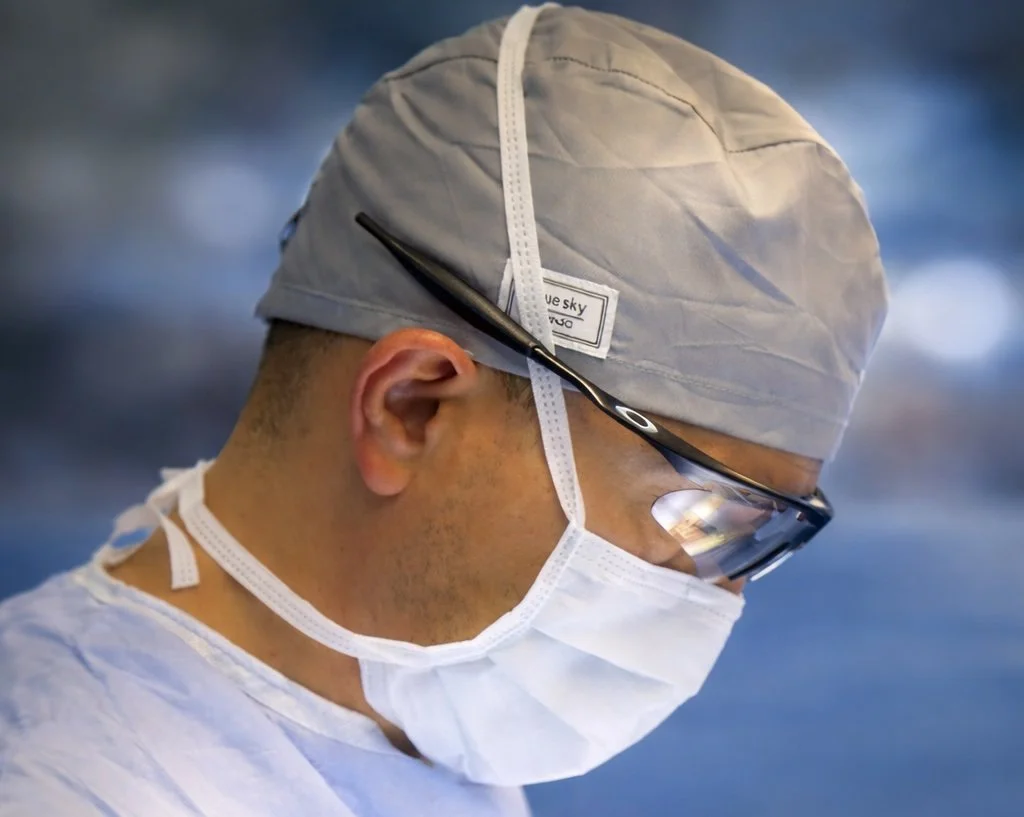
Academic Surgical Oncology for Complex Pancreatic, Liver, and Gastrointestinal Cancers
Delivered through advanced minimally invasive and robotic surgery
at Sutter Medical Center Sacramento and Sutter Roseville Medical Center.
Compassionate, Academically Grounded Surgical Oncology
Specializing in pancreatic, liver, bile duct, stomach, esophageal, and complex gastrointestinal cancers
Patients facing pancreatic, liver, and complex gastrointestinal cancers deserve the highest level of surgical expertise and scientific rigor — delivered with compassion, clarity, and respect for their individual journey.
Effective cancer care requires not only technical excellence, but also thoughtful listening, honest communication, and true partnership throughout the treatment process.
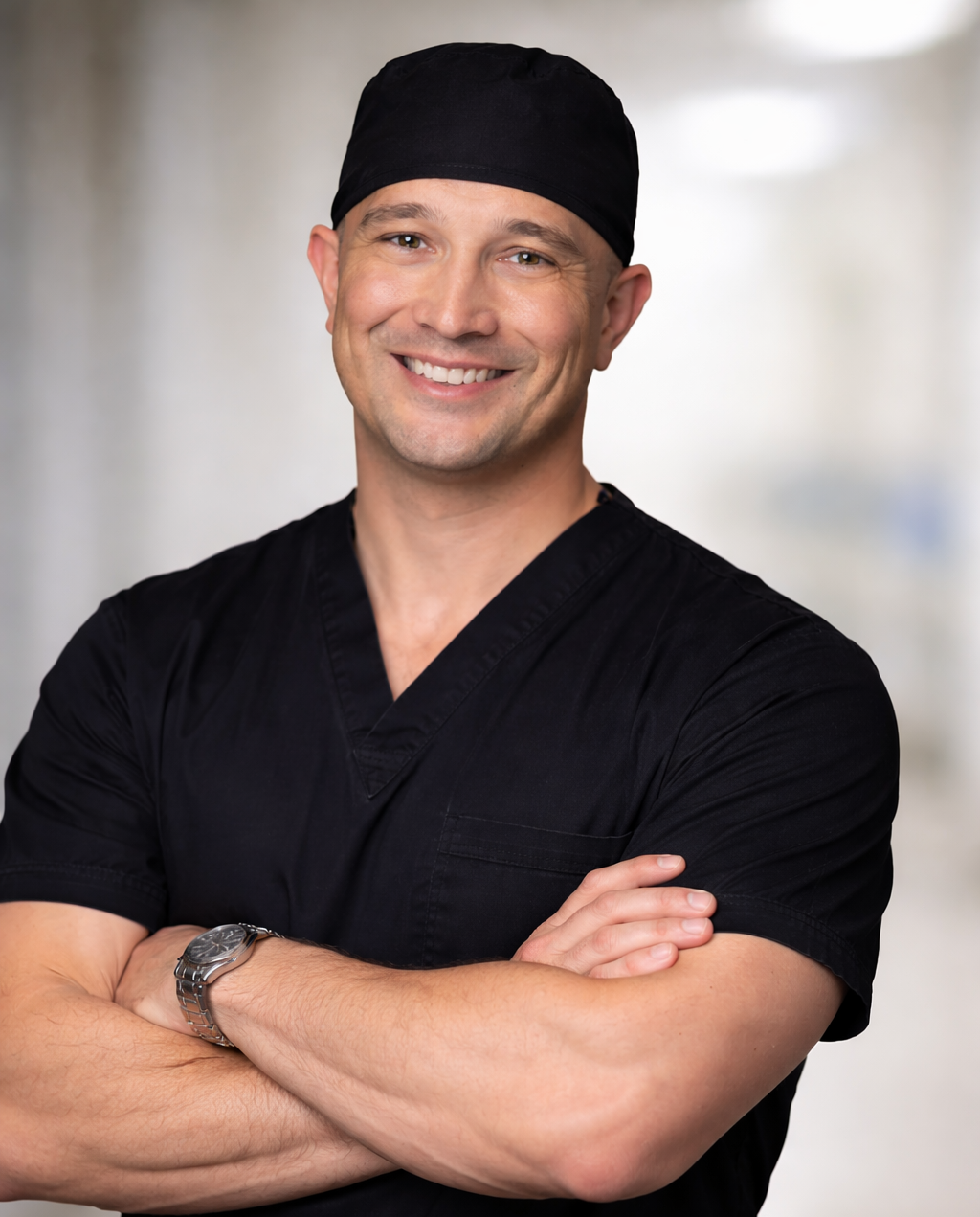
Dr. Geoffrey W. Krampitz is a fellowship-trained surgical oncologist and hepatopancreatobiliary (HPB) surgeon with advanced training at Stanford University and MD Anderson Cancer Center.
His clinical practice focuses on complex pancreatic, liver, bile duct, stomach, esophageal, and gastrointestinal cancers, with an emphasis on disciplined oncologic decision-making and individualized surgical strategy.
When appropriate, advanced robotic and minimally invasive techniques are used to support recovery, reduce complications, and preserve quality of life — while maintaining uncompromising oncologic standards.
Care is delivered within a coordinated multidisciplinary framework integrating medical oncology, radiology, pathology, genetics, and interventional specialists, aligned with contemporary academic oncology practices.
Areas of Surgical Expertise
Surgical evaluation and treatment of complex hepatopancreatobiliary (HPB) and gastrointestinal malignancies, including:
Pancreatic Cancer • Liver Cancer and Liver Tumors • Bile Duct Cancer • Neuroendocrine Tumors • Gastric Cancer • Esophageal Cancer • Gastroesophageal Junction (GEJ) Cancer • Retroperitoneal Sarcoma • Adrenal Tumors
Advanced Robotic Surgery in Complex Gastrointestinal and HPB Oncology
Robotic platforms have refined the application of minimally invasive techniques in complex gastrointestinal and hepatopancreatobiliary cancer surgery. In hepatopancreatobiliary and upper gastrointestinal oncology — where millimeters separate tumor from major vascular and biliary structures — visualization and precision are central to safety.
When appropriate, robotic technology allows enhanced visualization, improved instrument articulation, and precise dissection in anatomically confined regions such as the pancreatic head, hepatic hilum, retroperitoneum, and deep pelvis.
The foundation of every operation remains oncologic discipline — including complete tumor removal, appropriate lymph node evaluation, and thoughtful patient selection within a multidisciplinary cancer care framework.
Learn More About Robotic Surgical Oncology →
Research and Translational Surgical Oncology
Advances in cancer care increasingly depend on understanding tumor biology alongside anatomy. As a physician-scientist, Dr. Geoffrey W. Krampitz integrates emerging insights in molecular oncology, tumor genomics and molecular profiling, and biomarker-driven treatment strategies into surgical decision-making.
His research interests focus on the biology of gastrointestinal malignancies, mechanisms of metastasis, and the role of molecular profiling in guiding multidisciplinary cancer therapy. The goal is to align operative strategy with both the anatomical and biological behavior of each patient’s disease.
Complex Cancer Care and Surgical Strategy
Patients are frequently referred for evaluation of technically complex or high-risk cancers, including pancreatic tumors involving adjacent vascular structures, liver tumors requiring major hepatic resection, and rare gastrointestinal malignancies requiring specialized surgical planning.
Careful review of imaging, pathology, and prior treatment records helps clarify the most appropriate surgical strategy and treatment sequence. The goal is not simply to perform an operation, but to design a treatment strategy aligned with the biological behavior and clinical trajectory of each patient’s disease.
Consultation and Second Opinions for Complex Cancer Care
Patients and referring physicians frequently seek consultation or second opinions for pancreatic, liver, bile duct, and complex gastrointestinal cancers. Careful review of imaging, pathology, and treatment history can help clarify the most appropriate surgical strategy and treatment sequence.
Consultations and second opinions are welcome at any stage of diagnosis or treatment planning for patients throughout Sacramento, Roseville, and Northern California, including patients traveling from the San Francisco Bay Area.
It is not necessary to have every test completed before requesting a consultation. Imaging, pathology, and prior records can be reviewed and coordinated as part of the evaluation process.
Request a Consultation or Second Opinion →
Refer a Patient →
You may also contact our office directly at (916) 733-9660 to speak with our team.